

Gold (XAUUSD) Indicators for MT4: ATR Stops, Supertrend, ADX and Session Timing, Measured Before You Trade Gold (2026)

Key takeaways
- Gold punishes the two habits most indicator lists encourage: tight ATR stops and stacked filters. On 16,926 EURUSD 5-minute bars, every ATR-multiple stop lost money after spread; 2xATR worked out to a 4.4 pip stop and a 0.91 profit factor, while a plain fixed stop at the right distance made +3.38 pips per trade at a 1.43 profit factor.
- Of the filters people put on gold charts, Supertrend trimmed a losing system’s loss from -0.72 to -0.35 pips and kept 94% of signals. ADX above 25 made it worse at -1.21 and kept 20%.
- Timing beat every indicator. The 12:30 UTC US data window carried a 5-minute range of 4.50 pips against a 1.81 base, and the breakout continued 49.2% of the time; the 18:00 UTC window continued 13.6%.
- Honest scope: these are EURUSD measurements. My XAUUSD M5 set, 13,736 bars from June 16 to August 26, 2026, is loaded and the gold-specific runs are next. Until then I will not print a gold number I have not measured.
Most “best gold indicators” pages recycle the same five names and never show a result. I would rather give you the measured behaviour of those tools on the data I have finished testing, tell you exactly what carries to XAUUSD and what does not, and leave the gold-only claims until the gold bars have been through the same code. The scalping-specific setup, sessions and spread handling for gold are in gold scalping indicator; this page is about which indicator rules survived measurement at all.
Why does the ATR stop, the standard gold advice, fail the test?
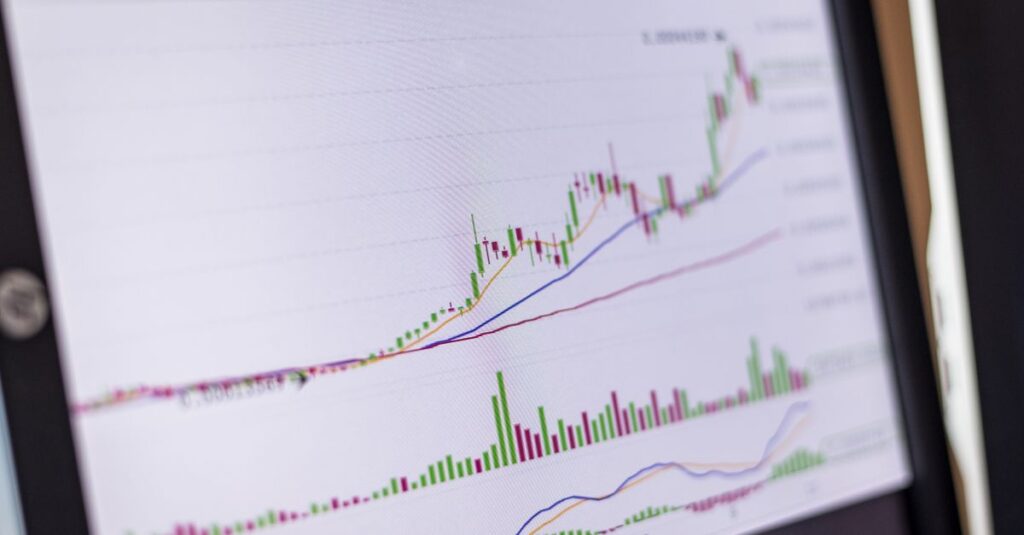
“Use 2xATR because gold is volatile” is the most repeated line in gold trading. On 5-minute bars the ATR is small, so the multiple produces a stop that sits inside normal noise. On EURUSD M5 the median ATR(14) was 2.0 pips, the 90th percentile 3.2, the maximum 8.2, and the daily range median 48.4 pips. Gold’s numbers are larger, but the ratio between bar noise and a sensible stop is the same problem.
| Stop rule, EMA 12/26 entries, 2R target | Trades | Avg stop | Win rate | Profit factor | Net after 1 pip spread |
|---|---|---|---|---|---|
| ATR x1.0 | 574 | 2.1 pips | 30.3% | 0.91 | -645.7 |
| ATR x2.0 | 381 | 4.4 pips | 33.6% | 1.03 | -350.7 |
| ATR x3.0 | 243 | 6.8 pips | 32.9% | 1.00 | -242.3 |
| Fixed 10 pips | 152 | 10 pips | 38.2% | 1.23 | +58.0 |
| Fixed 15 pips | 101 | 15 pips | 44.6% | 1.43 | +240.1 |
| Fixed 30 pips | 64 | 30 pips | 42.2% | 0.71 | -311.3 |
The stop has a right distance, and it is neither the ATR multiple nor “wide because gold”. Too tight and the win rate collapses to a third; too wide and each loss eats three winners. An ATR trailing stop cut the average hold from 132 bars to 7.7 and dropped the profit factor from 1.43 to 1.08. The grids are in the stop loss distance test and fixed vs ATR stop; if you still want a trailing method on gold, the ATR trailing stop indicator and the Chandelier Exit are the two to test against a fixed number rather than adopt on faith. For XAUUSD, translate 15 EURUSD pips into a fraction of the daily range, roughly a third, and test that, not the pip figure.
Which trend filter carries to a gold chart?

Supertrend, used for direction only. ADX, used as a strength gauge on its own DI lines, not as a permission slip.
| Filter on EMA 12/26 cross, 2-hour hold | Signals kept | Win rate | Avg pips |
|---|---|---|---|
| No filter | 324 | 44.8% | -0.72 |
| Supertrend 10/3 direction | 304 | 43.8% | -0.35 |
| ADX above 20 | 150 | 44.0% | +0.11 |
| ADX above 25 | 66 | 40.9% | -1.21 |
| ADX above 25 + Supertrend | 63 | 38.1% | -1.48 |
The stacked row is the standard gold template, a trend filter plus a strength filter, and it was the worst of the five. Each filter removes trades and has to be right about the survivors. The reasoning and the DI crossover result, which went from -0.69 to +0.15 pips with ADX above 25, are in ADX vs Supertrend. Supertrend’s settings and its behaviour on the open candle, which is not repainting, are in the Supertrend for MT4 guide. Because both indicators are built from ATR or from directional movement rather than from price levels, their behaviour transfers to gold with the same caveat: measure the threshold on gold bars, do not import 25.
Does the clock matter more than the indicator on gold?
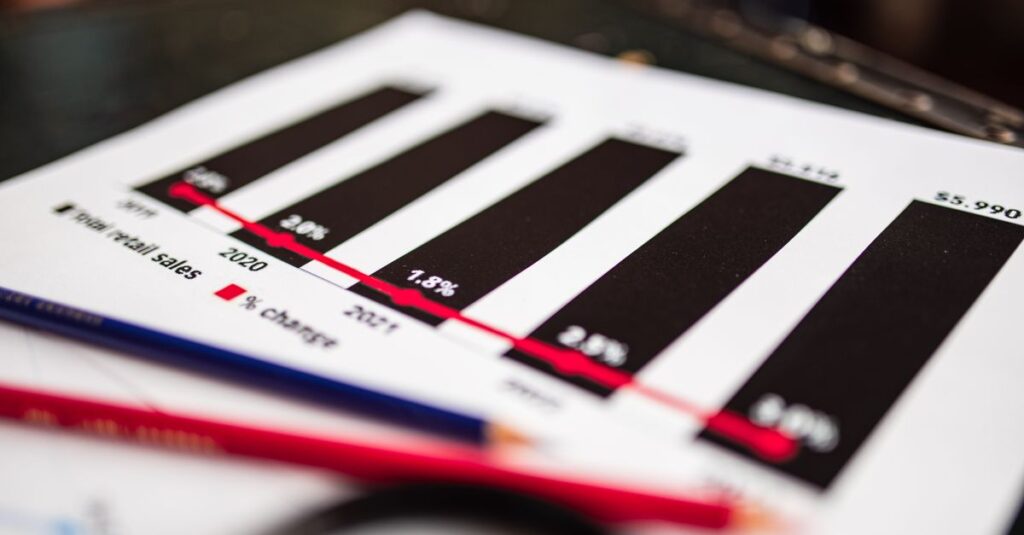
On EURUSD it did, by a wide margin, and gold’s news sensitivity makes the case stronger, not weaker. I measured the 5-minute range and the continuation rate around the four scheduled windows.
| Window, UTC | Sessions | 5-min range | Move in next 30 min | Breakout continued |
|---|---|---|---|---|
| Baseline, all bars | – | 1.81 pips | – | – |
| 12:30 US data (08:30 ET) | 59 | 4.50 | 5.93 | 49.2% |
| 14:00 US data (10:00 ET) | 59 | 3.92 | 5.11 | 32.2% |
| 08:00 EU data | 60 | 2.57 | 4.17 | 35.0% |
| 18:00 FOMC window | 59 | 2.15 | 2.94 | 13.6% |
The 12:30 candle is two and a half times the average bar and is the only window where the breakout continued about half the time. The 18:00 window moved and then reversed almost every time. Full figures are in the news releases test, and the hour-by-hour range, 2.75 to 2.95 pips per bar from 8 to 11 am New York against 0.96 in the early evening, is in the best hours to trade EURUSD. For gold, the same US windows apply and the Asian range is thinner still; the exact gold ratios are the first thing the queued XAUUSD run will report.
What does this mean for a gold chart today?
One direction gauge, one fixed stop sized from the daily range, one entry tool that does not redraw, traded in the US morning. Size the position from the stop and not the other way round; the position sizing table does that arithmetic, and gold’s wider spread makes spread and swap costs the first number to check on any XAUUSD account. For the entry, my DeMARK trend line is the tool I use on gold because it is built from price pivots, not from a volatility multiple, and it draws the same line in history as it did live.
FAQ
What is the best indicator for XAUUSD?
I have not measured one on gold bars yet, so I will not name one. On EURUSD the rules that survived were a slow direction gate, Supertrend for direction and a fixed stop at the right distance. The gold run on 13,736 XAUUSD M5 bars is next, and this page will carry its numbers.
Should I use ATR stops on gold?
Not as a multiple on 5-minute charts. Every ATR multiple tested lost after spread because the stop landed inside bar noise. Size the stop as a fraction of the daily range and test that figure.
What time should I trade gold?
Around the 12:30 UTC US release and the New York morning, where range was two to three times the average bar and breakouts continued half the time. Avoid the 18:00 UTC window, where continuation was 13.6%.
Which data were these numbers from?
EURUSD M5, 16,926 bars, June 3 to August 26, 2026. Same measurement code will run on XAUUSD M5, 13,736 bars, June 16 to August 26, 2026.
Want a clean indicator to install right now?
It is my own enhanced DeMARK Trend Line indicator for MetaTrader 4 and 5. Non repaint, clean, and free.
{“@context”: “https://schema.org”, “@type”: “FAQPage”, “mainEntity”: [{“@type”: “Question”, “name”: “What is the best indicator for XAUUSD?”, “acceptedAnswer”: {“@type”: “Answer”, “text”: “I have not measured one on gold bars yet, so I will not name one. On EURUSD the rules that survived were a slow direction gate, Supertrend for direction and a fixed stop at the right distance. The gold run on 13,736 XAUUSD M5 bars is next, and this page will carry its numbers.”}}, {“@type”: “Question”, “name”: “Should I use ATR stops on gold?”, “acceptedAnswer”: {“@type”: “Answer”, “text”: “Not as a multiple on 5-minute charts. Every ATR multiple tested lost after spread because the stop landed inside bar noise. Size the stop as a fraction of the daily range and test that figure.”}}, {“@type”: “Question”, “name”: “What time should I trade gold?”, “acceptedAnswer”: {“@type”: “Answer”, “text”: “Around the 12:30 UTC US release and the New York morning, where range was two to three times the average bar and breakouts continued half the time. Avoid the 18:00 UTC window, where continuation was 13.6%.”}}, {“@type”: “Question”, “name”: “Which data were these numbers from?”, “acceptedAnswer”: {“@type”: “Answer”, “text”: “EURUSD M5, 16,926 bars, June 3 to August 26, 2026. Same measurement code will run on XAUUSD M5, 13,736 bars, June 16 to August 26, 2026.”}}]}

Forex educator and indicator developer. I build and trade my own MetaTrader tools, and share the ones that genuinely help.
Thanks, really helpful breakdown!
The comparison table is gold (pun intended). Bookmarking this for the divergence section, I always struggle to spot it in real time. Going to read the MACD divergence guide next.
Solid stuff. One thing I’d add is keeping an eye on DXY when trading XAUUSD, gold often moves opposite the dollar. But for indicators specifically this covers it well.
Does this all work the same on MT5 or is there anything different I need to set up? I just switched over from MT4 last week.
the 80/20 RSI tip alone is worth the read. been getting fake reversal signals for months with 70/30 on gold
honestly i prefer VWAP over EMAs for intraday gold but everyone has their own thing. nice to see it at least mentioned in the table
newbie here, what does repaint actually mean? i keep seeing the word but dont fully get why its bad
Finally someone says the truth about fixed stops on gold. I blew a small account last year using a 20 pip stop on XAUUSD and got chopped to bits before I understood ATR. This explains exactly why.
good article but im not sure i agree that ATR is more important than the entry. a bad entry is a bad entry no matter how you size the stop. still useful though
Thank you for not making this another buy my magic indicator post. Refreshing.
so for swing trading you said ATR 21 to 24 on daily, would you still use the 1.5x to 2x multiplier or wider for the bigger timeframe?
saved this one. the session timing part about 12 to 16 GMT is something i never paid attention to and it makes so much sense now
very clear thanks
great point about ADX above 25. ive been entering trades in dead ranges and wondering why my signals fail. this is the filter i was missing
How do I actually add the DeMARK trend line to my charts once I download it? Is there an install guide somewhere? Never added a custom indicator before.
downloaded the demark trend line, testing it on H4 gold now. like that it doesnt repaint, makes a big difference for trusting the line
quick question, for the ATR stop do you use the value at entry or do you keep adjusting it as the candle forms? not totally clear to me
What timeframe would you recommend for someone just starting with gold? I keep jumping between M5 and H1 and getting confused.